
The winners have been announced for the RTS Programme Awards 2024, in partnership with Cast & Crew.
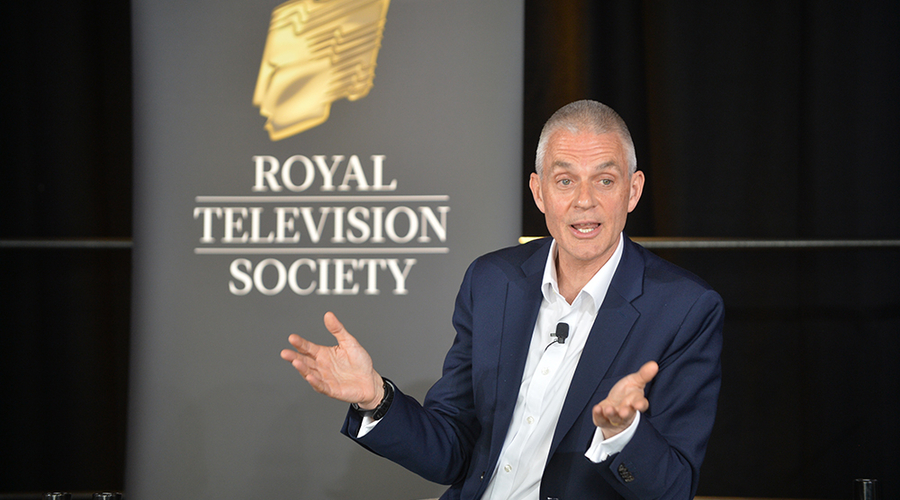
Tim Davie set out his vision for a digital-first BBC at an RTS event attended by media leaders

When Stacey Solomon stepped on to the X Factor stage at 19-years-old she “never imagined” her career going in the direction it has, or that she’d ever be up for a Presenter award at the RTS Programme Awards 2024.

After 17 series of playing minion to Greg Davies, you’d think Alex Horne would have his eyes on the Taskmaster's throne.



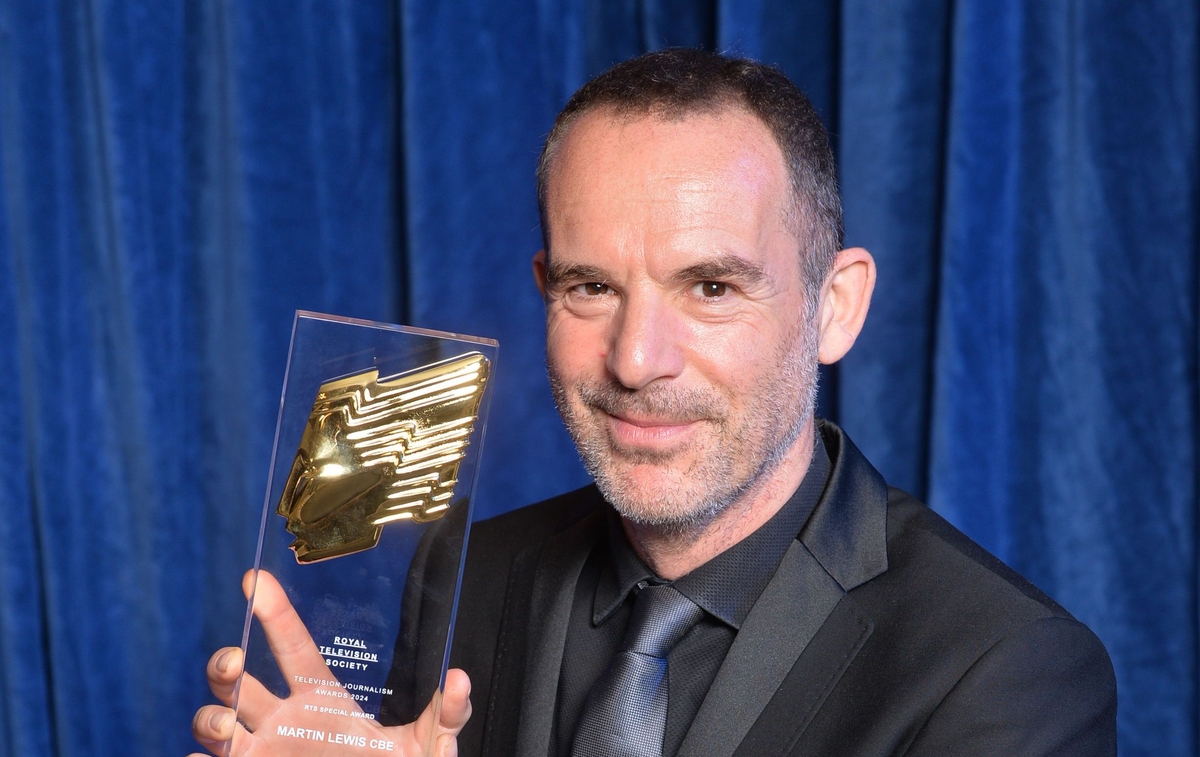
The winners for the RTS Television Journalism Awards 2024, in partnership with Wolftech and Dataminr, have been announced.

The 2024 RTS bursary schemes are now accepting applications from Wednesday 21st February until Monday 24th June 2024.

There are no events coming up at the moment. Check back again soon or become a member to gain free entry and notifications to events..





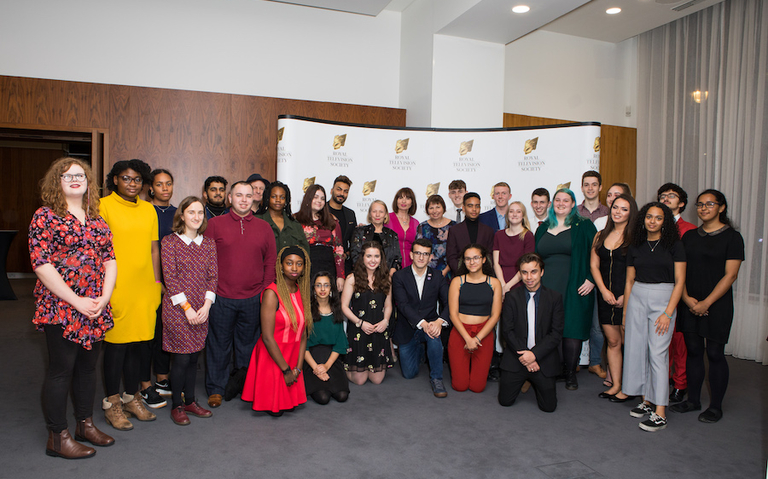


The RTS has 15 lively centres based across the UK and Ireland. Run by passionate volunteers, the regions organise events and meet-ups, and offer support and advice for all of those interested in television.

Each year the RTS rewards excellence in television with our Programme, Craft & Design, Journalism and Student Television Awards, as well as ceremonies around the UK and Ireland in our nations and regions.
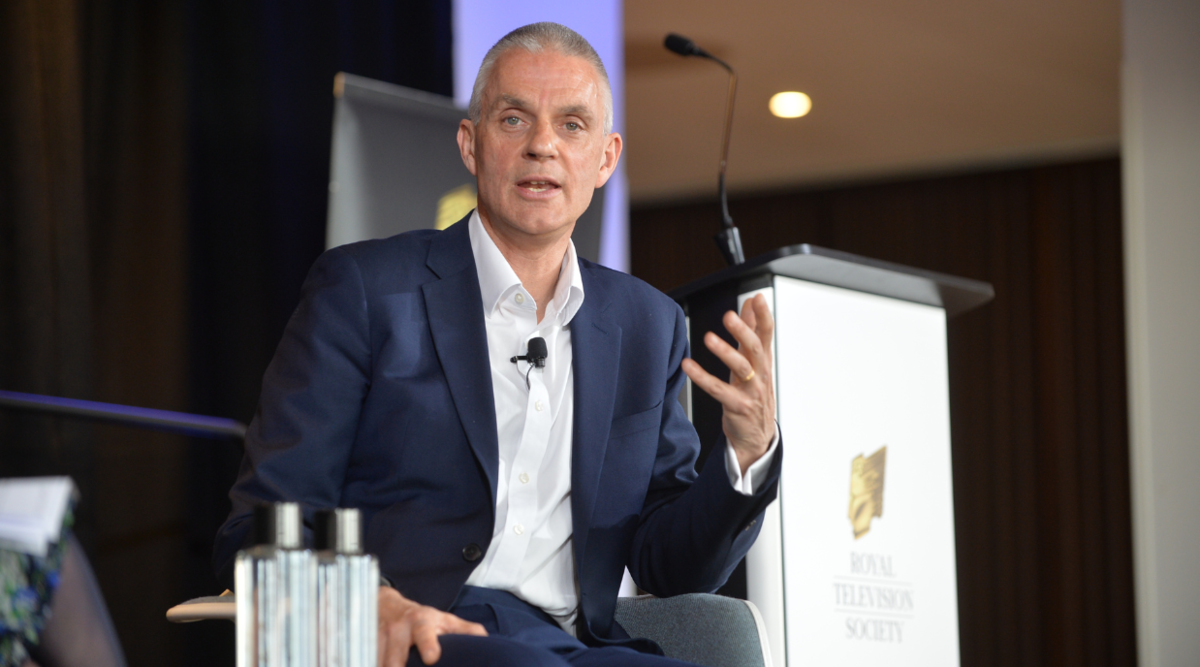



Do you want to become part of the RTS community?
From priority event booking and a range of discounts, to affiliate access to the Union Club in Soho, find out about all the benefits of membership and join us here.

The RTS is about more than its distinguished awards ceremonies and engaging events.
Find out about its educational initiatives, bursary schemes and get to know the people and patrons behind the society.

RTS Futures is committed to helping graduates and those in the early stages of their career to learn about different areas of television. Membership is free and offers access to exclusive events and networking opportunities.

Television Magazine is the UK's leading monthly on television issues and broadcasting policy, distributed free to all RTS members.
Read the latest issue and access the catalogue of past publications here.